
“Getting our head around probabilities is very hard for humans. But in high-stakes cases like this, we have to get it right.”
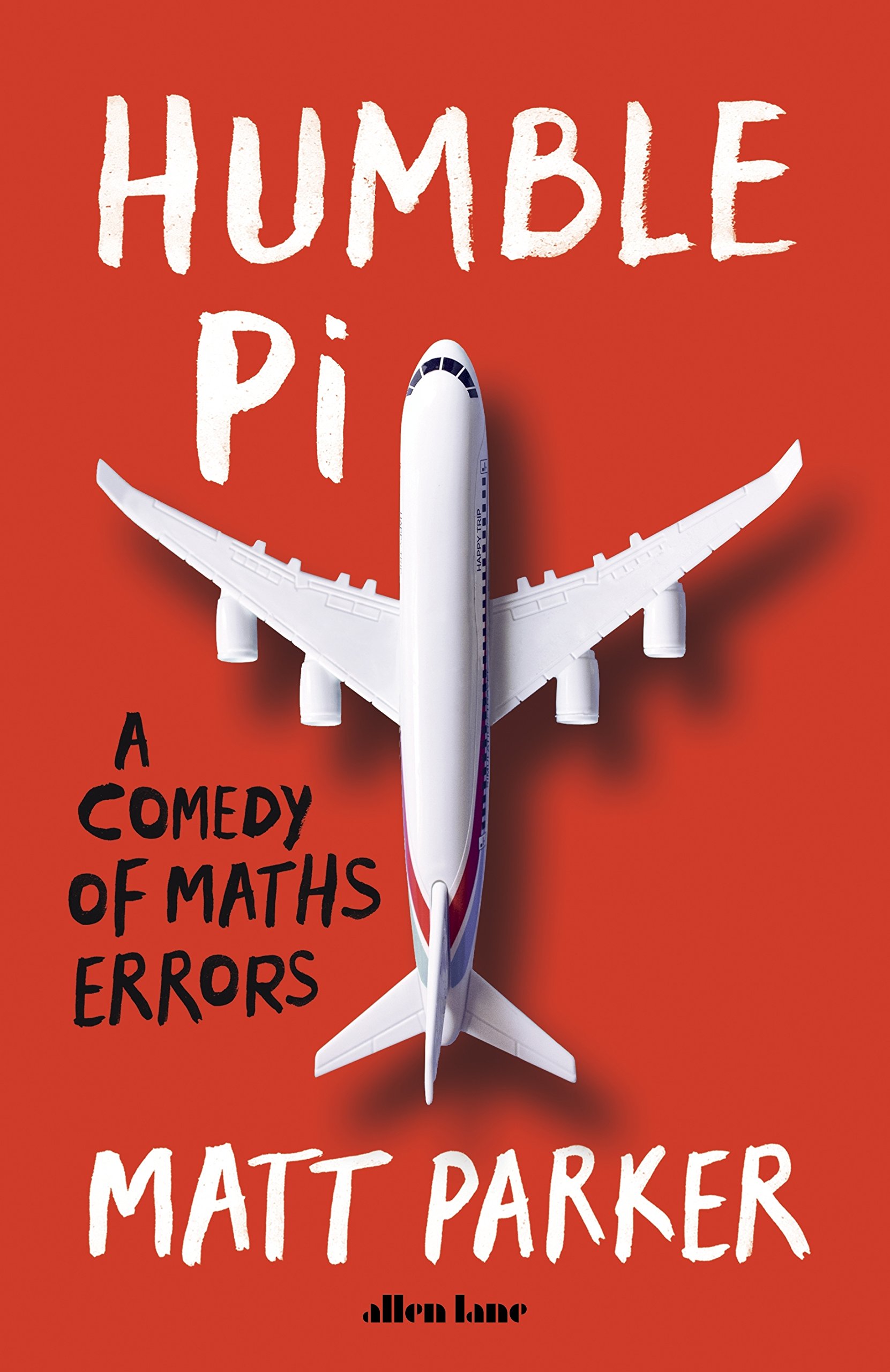
[Humble PI: A Comedy of Maths Errors, Matt Parker]
Since a human is born to be a prediction machine, we naturally estimate the probability of everything. When amazing things are happening in a row, we think it is improbable. This is because we usually estimate the probability that each thing happens and multiply all these probabilities in our head, leading to the tiny probability (close to zero); this is a simple rule to calculate a joint probability. However, to use this rule, there is a hidden assumption that all the events are independent (the probability that one event occurs does not affect the probability that another event occurs). But all the events in our life are not always independent. Some events are correlated, have a cause-and-effect relationship, or occur in the same environment. So, amazing things may happen in a row with a high probability.
If you want to predict some extreme results using such a calculation of joint probability, you consider the independence of each event first. Only the right calculation of the probability is a guardian against a catastrophic result. For example, on the street, you met ten persons whose height is over 6′ 4” in a row. Then, you think that a strange thing happens today. But if you met the same persons in front of a basketball court, then you feel that this situation is somewhat reasonable. The same persons but the different places can change your probability (sometimes we consider a conditional probability). Hence, a careful calculation of a joint probability changes looks-like improbable things to probable things (or vise versa). Even though you calculate the joint probability and the result is very small, you should keep in mind that improbable things happen all the time.

 Everybody makes DATA