“First, and perhaps most important, if you are going to try to use new data to revolutionize a field, it is best to go into a field where old methods are lousy.”
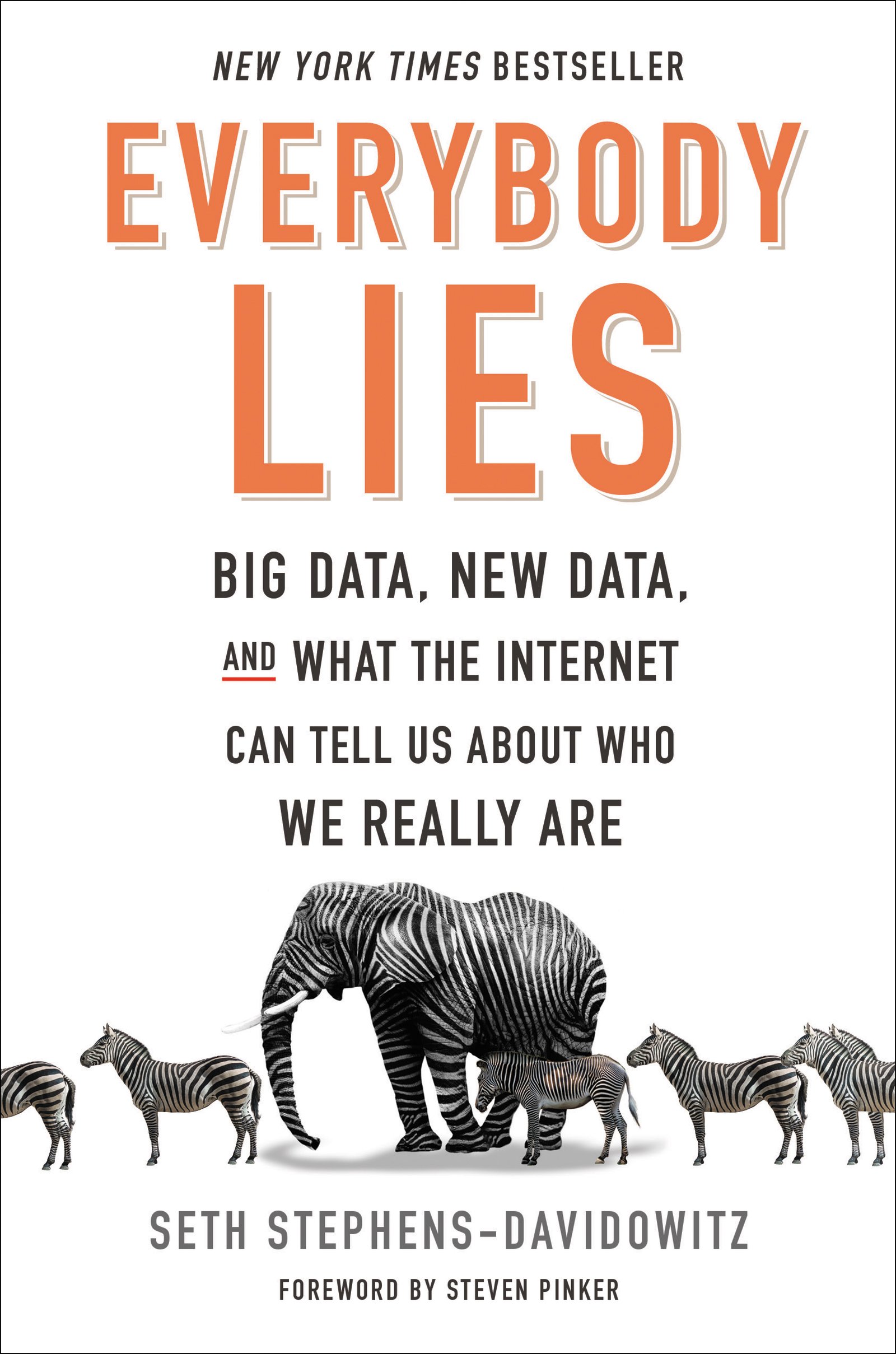
[Everybody lies, Seth Stephens-Davidowitz]
Our decisions are often based on prejudice, resulting in a bad ending. Specifically, our prejudice stems from wrong or weak cause-and-effect which totally depends on our limited experiences, pseudosciences, or popular misconceptions.
Big Data makes us escape from bias, provides the right cause-and-effect, and finally suggests the optimal choice. For example (in this book), a pedigree has been commonly regarded as a primary factor for choosing a racing horse but it is NOT. Big Data shows the size of the heart (specifically the left ventricle) is a much more important factor. But we should keep in mind that data science and Big Data is not always perfect. Biased and incomplete data also provides another data-driven prejudice and misconception.

 Everybody makes DATA